
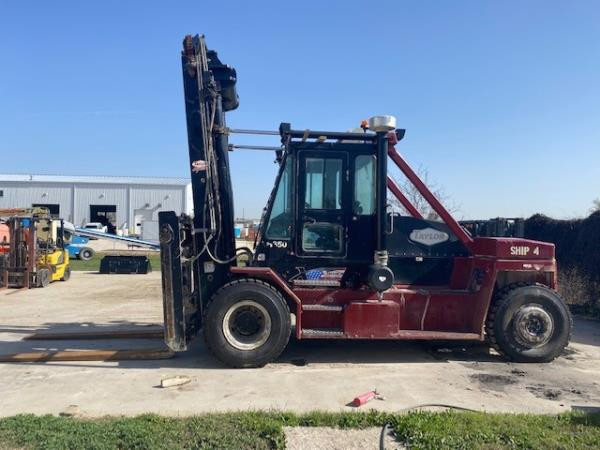


There are a variety of important steps in forklift training which pertain particularly to forklift safety. To begin with, it is vital to make certain that all workers have been correctly taught and certified to use the machinery. This is a big piece of machine that we are talking about. You simply cannot take risks with it. Forklift training is essential business that must be taken seriously. If you decide to skip this process, extreme repercussions could eventually catch up with you. Permitting wrongly trained and inexperienced individuals to operate lift trucks could lead to severe damage, terrible injuries and also death.
One easy safety procedure to implement is the wearing of seatbelts all the time. This is a safety measure that numerous workers neglect, since they will only be traveling approximately 10 miles an hour. Employees often think that they would not have any issues and thus, begin not wearing them. This is where the danger can occur, because it is easy for an accident to take place which could have damaging consequences. This is not a truck or an automobile; the seatbelt is not required to hold them in the cab if they run into something. In a forklift, the purpose is much more significant, even though the machinery travels at low speeds, in case of a tip-over, the seatbelt holds the operator in place secure in the operator's seat so they would not tumble out and be accidentally crushed beneath.
A well-organized reporting system needs to be in place in case of any mechanical issues or problems occurring. Employees require a logical way to communicate these situations so that individuals who are responsible for fixing them will. Employees should be familiar enough with the equipment that they comprehend at least the very basics of what could go wrong.
An operator needs to be able to identify if there is a problem with the lift truck so as to fix it before it becomes a big and possibly risky or expensive issue. Having a dependable reporting system in place is very important for workplaces which run on shift work. Like for instance, if one operator leaves after knowing that there is a problem, and the secondary operator is unaware of the issue during his shift, then catastrophic situations can occur. Lift truck training is a lot more involved than just knowing simply how to use the machinery.
It is crucial that you teach your employees not to hop out of a lift truck, even when they are feeling the equipment overturning. The correct thing to do in this dicey situation is to lean away from the turn while staying inside the cab and firmly holding on.