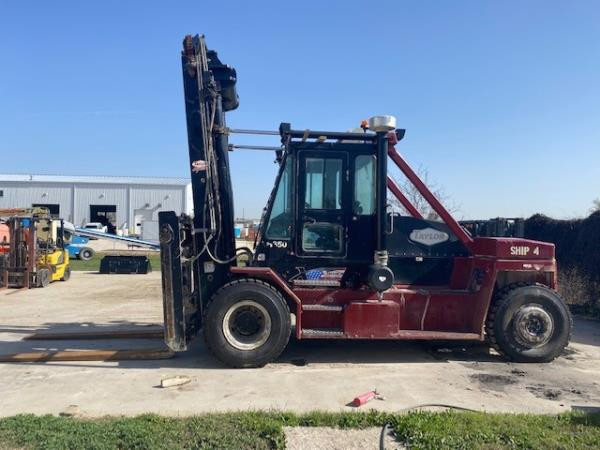

2016 TAYLOR TXH350L Image
Stock Number: EQU020041
Make: TAYLOR
Model: TXH350L
Year: 2016
2016 TAYLOR TXH350L Details
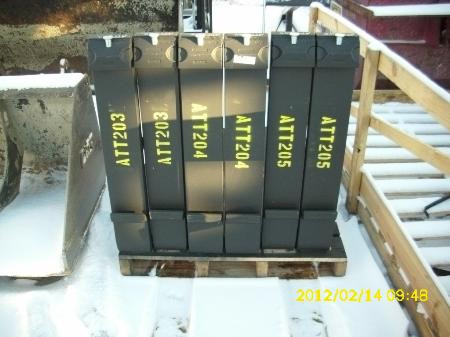
2012 Manitou 48" Forks Image
Stock Number: ATT203
Make: Manitou
Model: 48" Forks
Year: 2012
2012 Manitou 48" Forks Details
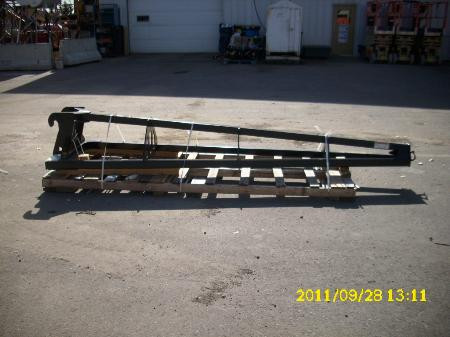
2011 JLG Truss Jib 12' Image
Stock Number: ATT159
Make: JLG
Model: Truss Jib 12'
Year: 2011
2011 JLG Truss Jib 12' Details
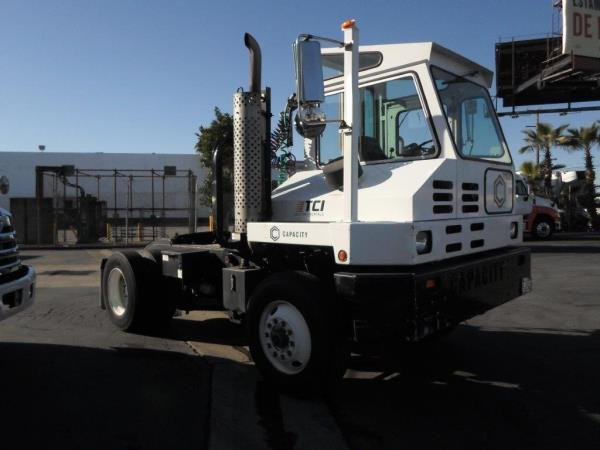
2010 Capacity TJ5000 DOT Image
Stock Number: EQU012898
Make: Capacity
Model: TJ5000 DOT
Year: 2010
2010 Capacity TJ5000 DOT Details
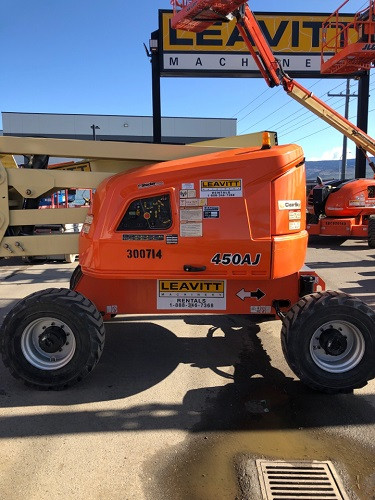
2016 JLG 450AJ Image
Stock Number: 300714
Make: JLG
Model: 450AJ
Year: 2016
2016 JLG 450AJ Details
2015 FrostFighter IDF350 Image
Stock Number: EQC003202
Make: FrostFighter
Model: IDF350
Year: 2015
2015 FrostFighter IDF350 Details
 
Used Terex Tower Cranes Corona

Used Terex Tower Cranes Corona

Early Crane Evolution
More than 4000 years ago, early Egyptians created the first recorded type of a crane. The original device was called a shaduf and was initially used to transport water. The crane was made out of a long pivoting beam that balanced on a vertical support. On one end a heavy weight was attached and on the other end of the beam, a bucket was connected.

Cranes which were made during the first century were powered by humans or by animals that were moving on a wheel or a treadmill. The crane consisted of a long wooden beam that was referred to as a boom. The boom was connected to a rotating base. The wheel or the treadmill was a power-driven operation that had a drum with a rope which wrapped around it. This rope additionally had a hook which was connected to a pulley at the top of the boom and carried the weight.

Within Europe, the enormous cathedrals established in the Middle Ages were made using cranes. Cranes were also used to unload and load ships in major ports. Over time, major advancements in crane design evolved. For instance, a horizontal boom was added to and became known as the jib. This boom addition enabled cranes to have the ability to pivot, hence greatly increasing the machine's range of motion. Following the 16th century, each side of a rotating housing which held the boom incorporated two treadmills.

Cranes used animals and humans for power until the mid-19th century. This all changes quickly when steam engines were developed. At the turn of the century, Internal combustion or IC engines as well as electric motors emerged. Cranes also became designed out of cast iron and steel as opposed to wood. The new designs proved more efficient and longer lasting. They can obviously run longer as well with their new power sources and thus finish bigger tasks in less time.

  • Used Terex Articulated Boom Lifts Corona
    Kinds of Boom Lifts or Construction Lifts A boom lift is a piece of machinery that enables personnel to perform jobs without having to construct a scaffolding. They are utilized to do maintenance work, to... More
  • Used Kalmar Big Forklift Corona
    Handling and moving loads in ports have become more involved over the years, transferring various types of cargo requiring constant pallet movement. There are a lot of different types of loads that travel through ports... More
  • Used Comedil Cranes Corona
    Tower Cranes Grow to New Heights Within the tower crane business, the 1950s featured many significant milestones in tower crane development and design. There were a range of manufacturers were starting to make more bottom... More
  • Used CAT Telescopic Forklifts Corona
    The telescopic handler or just telehandler is a heavy duty equipment that is popular in both the construction and agriculture businesses. These equipment are rather similar in both appearance and function to the forklift, except... More
  • Used Jungheinrich Dual Fuel Forklift Corona
    On construction locations all over the globe, forklifts, bulldozers and bobcats have become essential equipments. Forklifts are versatile industrial machines that come in many sizes from quite small to extremely huge. These types of machinery... More