

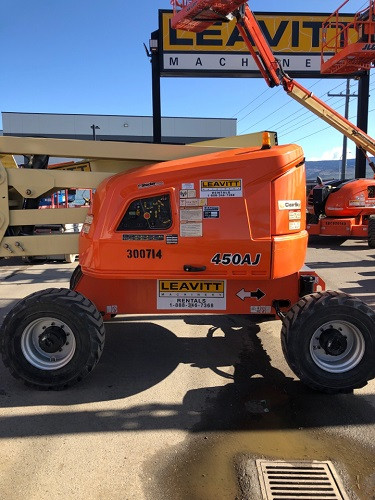


Pneumatic Tires
Most tires used in contemporary times are considered to be pneumatic tires. The utilization of rubber in tires enabled the invention of pneumatic tires that allowed for a more comfy ride. The world's contemporary transportation system depends entirely on pneumatic tires.
The pneumatic tire is a durable rubber tire and is then compressed with air. Motor vehicles including trucks, buses, cars, motorcycles and airplanes all utilize pneumatic tires. Non-motorized wheeled vehicles, such as bicycles, also utilize pneumatic tires.
History
The history of tires starts with the creation of iron bands around wooden wheels. The utilization of solid rubber in the construction of tires began in the mid-19th century. The very first patent for a successful pneumatic tire was issued in 1888 to Irishman John Dunlop who invented an inner-tube for a bicycle tire. This was when the term "pneumatic" started to describe tires.
Seven years after, in the year 1895, Edouard and Andre Michelin made pneumatic tires for an automobile in France. The company of the Michelin brothers was destined to become a top producer of automobile tires. The very first U.S. company to produce tires was Goodyear Tire company founded in the year 1898, followed by the Firestone Tire & Rubber company in 1900, the second company in the US to produce tires.
Function
A rubber inner tube was utilized in all pneumatic tires in the first part of the 20th century to be able help hold the air pressure. Tires were made of toughened layers of cord or plies covered with rubber. The plies were laid on a bias or angle to strengthen it and to define the shape of the tire. These "bias ply" tires had a tread pattern for traction.
Modern radial tires are made with the plies running at 90 degrees across the tire body. Inner tube is not necessary as the tire forms an airtight seal with the wheel. This was the Michelin's brother's invention in 1948. The tires did not become commonly used until the latter parts of the 1970s. Radial tires offer better fuel economy and last longer.