
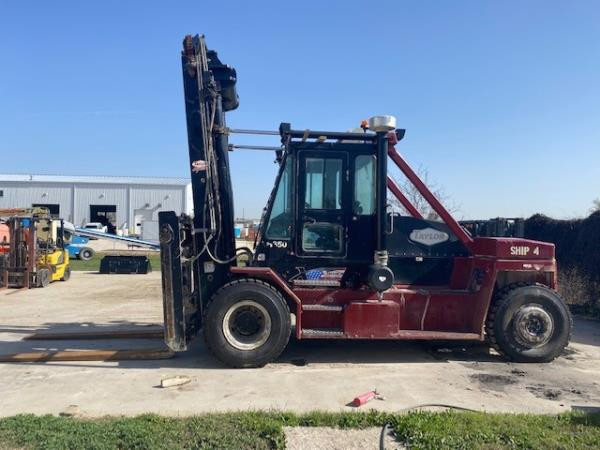

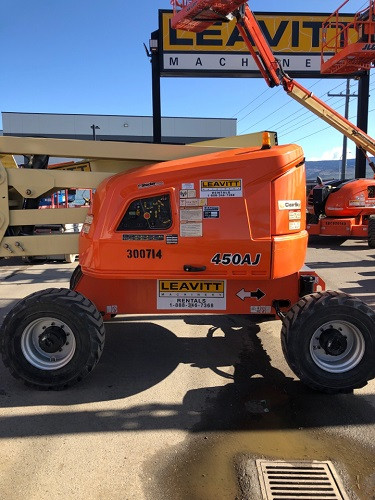


Within the distribution of goods industry, forklifts play a really vital role. They are capable of efficiently moving product through the distribution process. Then again, they should be used safely. Improper operation of forklifts could cause injury to workers, damage to products, and serious accidents that can result in death.
Safety
Forklifts are rather safe so long as they are utilized correctly. Tens of thousands of people are seriously injured in forklifts accidents on an annual basis. Dozens are killed in workplace accidents involving forklifts. The tragedy is that nearly all of these accidents are preventable with correct training and attention to safety.
Types of Machinery
Forklift operators should be trained on the specific kind of forklift they would be using on the job. A common kind used in distribution centers and warehouses is the sit-down model. Other kinds of forklifts usually utilized within industry include rough terrain units, narrow aisle trucks and operator up units.
Operator Requirements
A forklift operator certification which covers both practical evaluations and classroom study is required by the Occupational Safety and Health Administration or OSHA. The three-year certification is not transferable; if switching employers, operators should become recertified.
Load Capacities
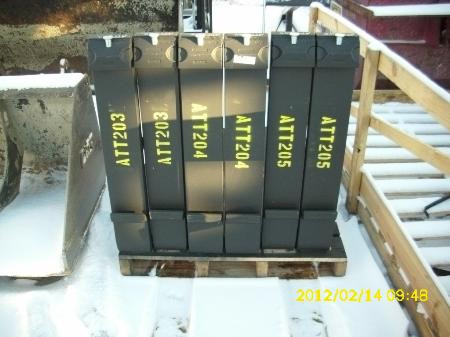
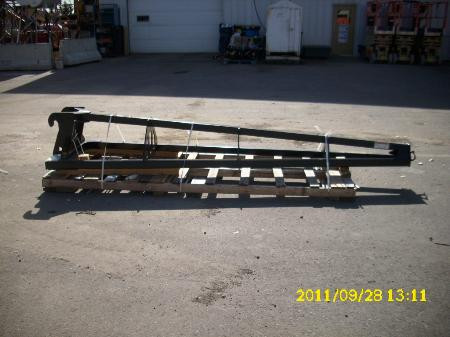
Conventional forklifts have a load capacity of 1,800 kilograms to 2,200 kilograms. Higher load capacities up to and over 9,000 kilograms are available in several units. A forklift's load capacity would depend on the unit and its attachments and options.
History
Yale and Clark, the top companies within the worldwide forklift business,were the first to develop forklifts. Since the forklift was developed in the 1920s, it has gone through many technological changes, particularly leading to the safe and efficient movement of product and enhancements in operator safety.